
Water is the greatest threat to your home’s long-term health. Unlike sudden disasters, water damage is often a slow and silent process that can rot wooden framing, damage foundation walls, and promote mold growth before you even notice. By the time stains appear or baseboards buckle, significant damage has already occurred, resulting in costly repairs.
To protect your investment, adopt a proactive strategy of regular monitoring and inspections rather than costly overhauls. Understanding your home’s water systems helps you spot early warning signs before they become emergencies. This guide will provide key insights and tips to keep your property dry and secure year-round.
Strengthening Your Indoor Water Infrastructure
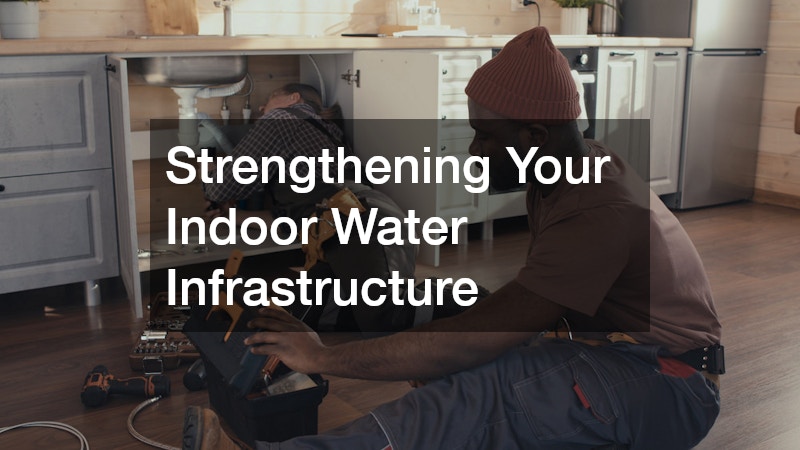
The pressurized pipes that deliver water to your kitchen, bathrooms, and laundry appliances are constantly under stress. If your municipal water pressure is set too high—typically above 80 pounds per square inch—it acts as a silent hammer, gradually fatiguing pipe joints, loosening appliance connections, and wearing down the internal valves of your toilets and faucets. One of the simplest and most effective preventative measures you can take is purchasing a cheap pressure gauge, attaching it to an outdoor hose bib, and testing your water pressure. If it registers above the safe limit, installing a pressure-reducing valve is a vital first step.
Beyond regulating your system’s overall pressure, you must perform regular visual audits of the flexible supply lines that connect to your major appliances. These lines are subjected to constant temperature shifts and mechanical vibration, making them prime candidates for sudden failures.
- Inspect the rubber or braided steel hoses behind your washing machine every six months, checking for cracks, blisters, kinks, or corrosion near the metal fittings.
- Check the plastic water supply lines that run to your refrigerator’s ice maker, replacing them with more durable copper or braided stainless steel lines to prevent sudden pinhole leaks.
- Look beneath your kitchen and bathroom vanities with a flashlight to ensure that the shut-off valves and supply lines show no signs of green corrosion or slow weeping.
- Test the emergency shut-off valves on every single fixture in your home once a year to ensure they turn smoothly and can fully stop the flow of water during a crisis.
While a homeowner can easily handle simple visual checks and hose replacements, the complex pathways hidden behind your walls and beneath your floors require professional eyes. Scheduling an annual maintenance audit with experienced plumbers ensures that your entire plumbing system is thoroughly evaluated for microscopic leaks, corrosion, and structural wear. These specialists have the diagnostic tools needed to locate hidden problems before they can cause major damage, giving you peace of mind.
Furthermore, if you are planning a kitchen renovation, a bathroom update, or are moving into an older home with aging pipes, working with reputable plumbing companies is essential. Professional contractors can evaluate your existing infrastructure, advise you on the best modern materials to use, and ensure that all new connections are perfectly sealed, properly supported, and fully compliant with local building codes. Investing in high-quality professional maintenance and installations is the ultimate defense against catastrophic pipe failures.
Optimizing Hot Water Systems and New Connections
Your water heater is a critical workhorse, but it also represents a significant risk for catastrophic water damage. A standard tank-style water heater holds forty to eighty gallons of pressurized, hot water. Over time, the constant heating cycle causes minerals in your water to precipitate out and settle at the bottom of the tank. This sediment layer acts as an insulating blanket, forcing the burner to run longer and hotter to heat the water. Over time, this overheats the metal tank, leading to structural cracks and sudden, massive flooding in your basement or utility closet.
To prevent your hot water system from turning into a disaster, you must adopt a proactive maintenance routine and prioritize high-quality professional services when it is time to upgrade.
- Flush your tank-style water heater once a year to wash away accumulated sediment, restore heating efficiency, and prolong the life of the metal tank.
- Inspect the temperature and pressure relief valve on your water heater to ensure it releases water freely and does not leak, as a stuck valve can lead to dangerous pressure buildup.
- Check the sacrificial anode rod inside the tank every two to three years, replacing it when it has degraded to prevent the tank itself from corroding.
- Install a metal or plastic safety pan beneath your water heater, routing a drain line from the pan to a floor drain or the exterior of your home to catch slow leaks.
When your current water heater reaches the end of its useful lifespan—typically ten to twelve years—you should never cut corners on its replacement. Relying on a professional water heater installation ensures that your new unit is fitted with a code-compliant thermal expansion tank, a properly routed relief valve line, and automatic shut-off safety systems that cut off the water supply if a leak is detected. Investing in professional work from the start eliminates the risk of cheap fitting failures that can ruin your surrounding drywall and flooring.
This same commitment to quality should apply to any plumbing project throughout your home. Whether you are running lines for a new outdoor kitchen or adding a wet bar to your basement, ensuring your plumbing installation is completed by a licensed, insured professional is the only way to guarantee the long-term integrity of your water lines. Professional installers perform rigorous pressure tests on all new pipes and fittings before the walls are closed up, ensuring that no slow, hidden leaks can compromise your home’s wooden framing.
Defending the Concrete Foundation and Subterranean Lines

While leaks inside your walls can be devastating, the water lines buried beneath your concrete foundation present an entirely different level of complexity and risk. In slab-on-grade homes, the main copper or galvanized steel water lines run directly beneath the heavy concrete slab before rising up into your living spaces. When these buried pipes degrade due to chemical reactions with the surrounding soil or friction from physical shifts, they begin to leak. Because these leaks occur beneath inches of solid concrete, they can go undetected for months, eroding the soil beneath your home and causing your foundation to crack or settle unevenly.
Catching a hidden leak beneath your foundation requires you to pay close attention to the subtle physical and auditory warning signs that your home exhibits:
- Monitor your monthly water utility bills for sudden, unexplained increases in consumption that do not match your actual household usage.
- Listen closely for the continuous sound of running or rushing water beneath your floors when all faucets, showers, and appliances are completely turned off.
- Walk through your ground-level rooms barefoot, feeling for unexplained warm spots on your tile, laminate, or linoleum flooring, which often indicate a hot water line failure.
- Look for damp baseboards, musty odors, or unexplained cracks in your drywall and foundation walls, which can indicate that the soil beneath the slab is shifting.
If you suspect that a water line has ruptured beneath your foundation, you must act quickly. Tearing up your flooring and jackhammering your concrete slab based on guesswork is an expensive and destructive mistake. Instead, you need to bring in a specialist who has the advanced acoustic and thermal imaging equipment needed to pinpoint the exact location of the break. Once the leak is found, executing a professional slab leak repair allows you to resolve the issue with minimal disruption to your home.
Because repairing subterranean water lines involves navigating structural concrete, complex excavations, and high-pressure supply systems, you must rely on a licensed plumbing contractor to manage the project. A certified professional will evaluate the overall health of your underground lines and determine whether a localized repair is appropriate, or if it is more cost-effective to bypass the broken line entirely by running a new, modern PEX water line through your walls and ceilings. Having a qualified expert handle these high-stakes repairs protects your home’s structural integrity and prevents future foundation failures.
Maintaining Clear Wastewater Pathways

While clean water supply leaks are highly destructive, wastewater backups represent a severe biological hazard that can ruin your personal belongings and require extensive, expensive remediation. Your home’s drain lines rely on gravity to carry wastewater away from your sinks, showers, and toilets. Over time, grease, hair, soap scum, food waste, and mineral deposits cling to the interior walls of your pipes, gradually restricting the flow of water. If these deposits are ignored, a minor restriction can quickly turn into a total blockage that causes raw sewage to back up into your ground-floor tubs and showers.
To keep your wastewater flowing smoothly and prevent backflow disasters, you must maintain clean drains and avoid common disposal mistakes.
- Never pour cooking grease, oils, or fats down your kitchen sink, as they quickly cool, solidify inside your pipes, and trap other food debris to create dense blockages.
- Install mesh drain strainers in all showers and tubs to catch hair and soap fragments before they can wash down the pipe and tangle inside the trap.
- Avoid using harsh, highly corrosive chemical drain cleaners, as they generate intense heat that can warp plastic pipes, corrode metal joints, and fail to clear the blockage permanently.
- Pour a gallon of boiling water down your kitchen sink once a week to help melt away any minor grease buildup along the interior walls of your pipes.
When simple home maintenance is not enough to keep your drains flowing freely, or if you are dealing with persistent, recurring blockages, you should call a professional drain cleaning company. These specialists can run diagnostic cameras down your waste lines to identify structural issues like sagging pipes or invasive tree roots, and then utilize mechanical snakes or heavy-duty hydro-jetters to completely clear the pathway. Taking a proactive approach to your drain health prevents unexpected backups and keeps your entire plumbing system operating flawlessly.
For homes with severe grease buildup, scale accumulation, or extensive tree root intrusion inside the main waste line, traditional snaking often provides only a temporary fix. In these situations, scheduling professional drain jetting services is the most effective solution. This advanced cleaning method uses high-pressure water streams to scrub the interior walls of your pipes clean, blasting away decades of accumulated grease and roots without damaging the integrity of the pipe itself, restoring your waste lines to like-new condition.
Managing Main Sewer Lines and Septic Health
The final stage of your home’s water defense system involves the main lines that transport wastewater away from your property. Your home’s main sewer lateral is the single artery through which all of your toilets, showers, and sinks drain. If this line becomes blocked or collapses due to age, the wastewater from your entire home will quickly back up into your lowest living spaces. Because this pipe is buried deep beneath your yard, managing its health requires consistent monitoring and a clear understanding of when to bring in specialized assistance.
Recognizing the early warning signs of a failing sewer lateral can help you avoid a major biological disaster inside your home:
- Pay attention if multiple plumbing fixtures across different rooms begin to drain slowly or bubble at the same time.
- Watch for gurgling noises coming from your toilets when you run water in a nearby sink or washing machine.
- Look for unusually lush, green patches of grass in your yard, or areas of standing water that smell distinctly of raw sewage.
- Be aware of foul, persistent sewer gas odors in your basement, crawlspace, or around the exterior of your home.
If your sewer camera inspection reveals that your lateral line is collapsed, cracked, or heavily compromised by tree roots, you must work with a licensed sewer line repair company to resolve the issue safely. These specialized contractors can offer modern, trenchless pipe lining options that repair your buried pipe from the inside out, saving you from having to excavate your entire front yard, driveway, or landscaping to lay a new line. Investing in professional sewer line restoration keeps your wastewater moving safely away from your home.
For homeowners who are not connected to a municipal sewer system, managing waste requires a private on-site treatment system. A failing septic tank can cause wastewater to back up into your home or pool in your yard, presenting a severe health hazard. Working with a professional septic pumping service once every three to five years is essential to remove accumulated solids from your tank. Regular pumping prevents heavy sludge from escaping into your absorption field, protecting your underground drainage pipes from clogging and ensuring your system can safely process wastewater for decades.
Keeping Your Home Dry and Secure for the Long Term

Protecting your home from water damage requires vigilance and consistent maintenance. Viewing your plumbing as a unified system—from high-pressure water to wastewater—allows you to mitigate its destructive effects. Simple steps like checking water pressure, flushing your water heater, and keeping drains clear can help prevent emergencies.
While handling minor upkeep yourself fosters a connection with your property, don’t hesitate to consult licensed professionals for complex issues. Investing in preventative care and maintenance can save you from the financial and emotional strain of a major flood. By staying organized and addressing leaks promptly, you can keep your home a safe and beautiful sanctuary for years to come.