
Every year, severe weather events are becoming more frequent, more unpredictable, and significantly more destructive. For the average homeowner, the financial toll of flood damage can be absolutely catastrophic, often wiping out savings and displacing families for months at a time. The harsh reality of severe weather is that the vast majority of property owners only begin to think about flood mitigation after the water is already pooling at their front door. This reactive mindset leaves them scrambling in a chaotic, fast-paced post-storm environment where resources are scarce, and damage is already actively occurring.
The most effective way to minimize structural and financial damage is through proactive, professional preparation. True resilience does not come from frantically stacking sandbags at the eleventh hour; it comes from fundamentally securing the hidden infrastructure of your property long before the storm clouds gather. Protecting a home requires a comprehensive strategy that addresses power systems, plumbing networks, heating equipment, and overall structural integrity both before the disaster strikes and immediately after the waters recede. By understanding the vulnerabilities of your essential systems and taking decisive action ahead of time, you can transform your property from a sitting duck into a hardened fortress, ready to weather the storm and emerge with minimal damage.
Elevate Key Components Above the Base Flood Elevation

The Base Flood Elevation is a standardized measurement used to determine the anticipated height to which floodwaters are expected to rise during a severe, statistically significant storm event. Understanding this metric is crucial for any homeowner living in a vulnerable zone. Once you have determined this elevation for your specific property, you must systematically move critical electrical components well above this line.
- Locate your main circuit breaker box, as well as all ground-floor wall switches and electrical sockets.
- Plan to relocate these fixtures a minimum of twelve to eighteen inches above your property’s designated elevation line.
- By moving these connections higher up the wall, you prevent standing water from infiltrating the conduits, which can cause immediate short circuits, electrical fires, and the total destruction of your home’s wiring network.
- Because moving wiring involves opening walls and handling dangerous live currents, this task requires specialized knowledge. You should always rely on highly trained residential electricians to safely relocate these components, ensuring the work is fully compliant with strict local municipal building codes and safety regulations.
Modernize Outdated Systems to Handle Severe Power Surges
Severe weather does not just bring rising tides; it brings immense instability to the local power grid. As power lines are downed by wind and subsequently repaired, your home will likely experience violent voltage spikes. When the grid goes down and suddenly comes back online, the resulting surge can instantly fry sensitive electronics, melt wiring insulation, and permanently destroy costly smart-home systems.
- Assess the age and capacity of your current electrical distribution box. Older homes often lack the grounding and capacity required for modern, high-draw appliances.
- Integrate whole-house surge protection directly at the meter or the main breaker. This device acts as a heavy-duty gatekeeper, diverting excess voltage directly into the earth before it can enter your home’s internal wiring.
- If your system is decades old, arranging for an electrical panel upgrade prior to the storm season is an incredibly wise investment. Modernizing this central hub is the absolute best way to ensure that your home can handle sudden electrical strains without shorting out or causing a catastrophic localized fire.
Install Sump Pumps and Backflow Prevention Valves
There is perhaps nothing more devastating to a property’s interior than municipal sewage reversing course and overflowing into sinks, bathtubs, and basement floor drains. This type of flooding introduces dangerous pathogens, human waste, and toxic chemicals into your living space, categorizing the aftermath as a severe biohazard.
- Equip your basement or lowest floor with a high-capacity sump pump situated in a properly excavated pit. This pump acts as an active defense mechanism, actively pushing rising groundwater out and away from the foundation before it can breach the floorboards.
- Install inline check valves on all main waste pipes exiting your home. These specialized devices feature a mechanical flapper that allows waste to flow out into the municipal sewer but automatically snaps shut the moment water attempts to flow backward into the house.
- Because the installation of these mechanisms requires cutting into your main sewer lines and calibrating exact pipe slopes, it is highly recommended to consult with experienced plumbing contractors to correctly size your pumps and flawlessly install these vital defense valves.
Clear Exterior Catch Basins and Reroute Downspouts

Your home’s first line of defense against rising water is the exterior landscaping and drainage systems. If the water cannot efficiently flow away from your foundation, it will inevitably find a way inside. Surface water pooling near the concrete footing of your home creates immense hydrostatic pressure, which can easily crack solid concrete and push moisture right through the walls.
- Conduct a routine audit of your property’s exterior, paying close attention to yard drainage grates, window wells, and driveway catch basins.
- Manually remove impacted leaves, twigs, and sediment that accumulate over the dry season. Neglected exterior maintenance routinely leads to clogged drains in exterior basement floor systems, trapping massive volumes of water directly against the structure.
- Attach extensions to all of your roof downspouts. Ensure that the water collected from your roof is being deposited a minimum of six to ten feet away from the foundation wall, ideally on a downward slope that carries the runoff toward the street.
Construct Masonry Pedestals for Heating Equipment
A home’s central heating unit is incredibly vulnerable. Even a few inches of standing water can submerge the blower motor, the electronic ignition systems, and the sensitive control boards. Once these intricate electrical components are submerged in muddy, silt-filled floodwater, they are almost always damaged beyond repair.
- To combat this, build a sturdy masonry pedestal using heavy cinder blocks and waterproof mortar.
- Carefully elevate your heating equipment off the concrete floor. Lifting the unit even twelve to eighteen inches can mean the difference between a total system replacement and a house that stays warm during the post-storm recovery.
- Place thick, anti-vibration rubber pads between the metal unit and the concrete blocks to reduce noise and prevent the metal casing from resting directly on abrasive surfaces.
- If your basement does flood and the system gets submerged, you must immediately turn off the breaker connected to the unit. Do not attempt to turn it on to test it. Instead, you must call a specialized furnace repair service to meticulously dismantle, clean, and dry the internal components safely.
Anchor and Elevate Your Domestic Water Supply
Many people mistakenly believe that a heavy tank filled with forty to eighty gallons of water will stay firmly planted on the floor during a flood. In reality, modern tanks are heavily insulated and contain a significant amount of trapped air. When the water level rises in a basement, these tanks become incredibly buoyant.
- If a tank floats, it can easily snap the rigid copper plumbing lines connecting it to the house.
- Even more dangerously, a floating tank can sever the natural gas supply line, instantly filling your flooded basement with explosive and highly toxic gas.
- To prevent this, use heavy-duty galvanized metal strapping to firmly anchor the tank directly to the concrete foundation or the heavy wooden wall studs behind it.
- Better yet, you should strongly consider bringing in professional water heater services to safely drain the tank, disconnect the intricate fuel and plumbing lines, and relocate the entire apparatus to an upper floor or a structurally sound raised platform.
Pump and Seal Your Waste Receptacle Pre-Storm
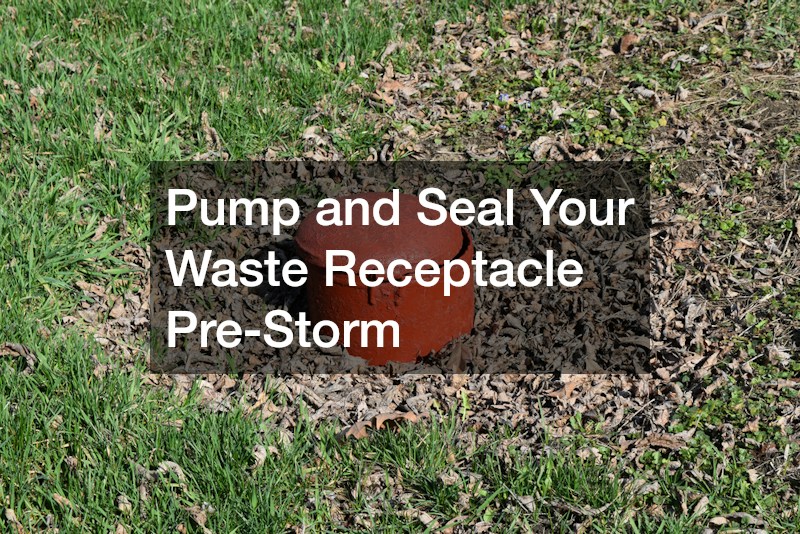
For homeowners not connected to a municipal sewer system, heavy flooding presents a unique and highly unpleasant challenge. Heavy, continuous rainfall acts to completely saturate the soil in your yard. When the ground is thoroughly waterlogged, the subterranean drain field can no longer absorb the liquid effluent exiting your waste tank.
- When the drain field backs up, the waste has nowhere to go but backward, resulting in raw sewage bubbling up into your ground-floor toilets and showers.
- Prior to the storm season, thoroughly inspect the heavy manhole covers over your subterranean tanks. Ensure the rubber gaskets and seals are perfectly intact to prevent surface floodwater from pouring directly into the tank and filling it prematurely.
- If a massive storm is explicitly forecasted for your region, it is highly advisable to schedule a preventative septic system service to pump the subterranean tank completely empty. This strategic move provides you with several days of temporary waste capacity inside the empty tank, even if the surrounding yard is entirely underwater.
Establish Reliable Off-Grid Power for Sump Pumps
The most robust interior drainage plan in the world is entirely useless if there is no electricity to run the equipment. Flooding and blackouts almost always occur simultaneously. If your defensive pumps rely solely on grid power, they will fail at the exact moment you need them most, allowing water to fill your basement unimpeded.
- Do not rely on small, portable, gasoline-powered generators that require you to wade into a dark, flooded yard in the middle of a hurricane to pull a starter cord.
- Instead, invest in an automatic transfer switch that monitors the municipal grid. The second the grid fails, this switch safely disconnects your home from the external power lines.
- This is why securing reliable back up generator services is a critical step in flood mitigation. By permanently installing a standby power unit hooked directly to your natural gas or liquid propane lines, your pumps, refrigerators, and emergency lights will seamlessly continue to operate without any human intervention.
Professionally Assess Submerged Household Machines
The immediate aftermath of a flood is a time for extreme caution. The silt, mud, and contaminants carried by floodwaters can ruin the internal mechanisms of washing machines, dryers, refrigerators, and freezers. Homeowners are often tempted to plug these devices in as soon as the power returns to see if they survived. This is a massive mistake that can lead to electrocution or electrical fires.
- Establish strict safety protocols for your family in the days following the event. Ensure everyone understands that no wet electrical cord should ever be plugged into a wall socket.
- Understand that moisture can hide deep inside the insulated casing of a machine for weeks, slowly corroding the wiring and creating a hidden short circuit.
- Before making any decisions about replacing expensive white goods, it is highly recommended that you utilize certified appliance repair services to safely open the chassis, inspect the internal motors, and test the wiring for unseen corrosion and hidden electrical hazards.
Extract Moisture Fast to Halt Mold Proliferation

Standing water is only the first phase of flood damage. The secondary, and often more destructive phase, is the rapid growth of toxic black mold. Mold spores are naturally present in the air at all times, but they remain dormant until they are introduced to moisture and organic material, such as the paper backing on residential drywall or the wooden studs inside your walls.
- You have a very short, rigid window of approximately forty-eight to seventy-two hours to completely dry out the structure before aggressive mold colonies begin to permanently colonize the building materials.
- This process requires significantly more than just opening a few windows and turning on ceiling fans. It requires industrial-grade air movers and massive dehumidifiers capable of pulling gallons of water out of the ambient air every hour.
- To effectively save your home’s framing, you must initiate the process of hiring a rapid-response water damage restoration company to perform aggressive moisture extraction, safely tear out the ruined drywall, and apply heavy-duty anti-microbial treatments to the remaining wooden skeleton of your house.
True resilience in the face of natural disasters does not come from last-minute panic or relying solely on temporary barriers like sandbags. It requires a fundamental shift in how you view your home’s hidden infrastructure. By actively fortifying your electrical networks, reinforcing your plumbing, securing your heavy heating and cooling equipment, and establishing reliable off-grid capabilities, you build a comprehensive shield against the unpredictable forces of nature long before the sky turns gray.
Do not wait for the next severe weather warning to broadcast on the evening news before taking action. Take the time to meticulously audit your property’s specific vulnerabilities today. Start budgeting for the necessary infrastructure upgrades, and begin building a robust contact list of trusted local professionals now. By doing the hard work of preparation today, you ensure that you and your family will never be left scrambling during a true emergency.