Owning a residence brings immense pride, joy, and long term value, but it also places total responsibility for maintenance directly on your shoulders. When an unexpected crisis occurs, panic can easily set in. Whether a severe rainstorm damages your ceiling, a pipe bursts in the middle of the night, or a furnace shuts down during freezing conditions, home disasters demand swift, deliberate action. Knowing how to react in the first few critical minutes can mean the difference between a simple repair job and thousands of dollars in structural remediation.
Every home owner should possess a clear, structured plan of action long before a catastrophe unfolds. Navigating home disasters involves understanding which tradesperson to call, knowing what immediate mitigation measures you can perform yourself, and recognizing how to evaluate professional contractors under pressure. Preparation converts chaos into an organized, manageable recovery process.
By building a network of reliable emergency contacts, maintaining basic household tools, and understanding your property’s foundational systems, you can protect both your family and your financial investment. The following comprehensive guide walks through the most common household emergencies, offering detailed advice on managing urgent situations, securing expert help, and safeguarding your property against future structural vulnerabilities.
Roof and Ceiling Disasters
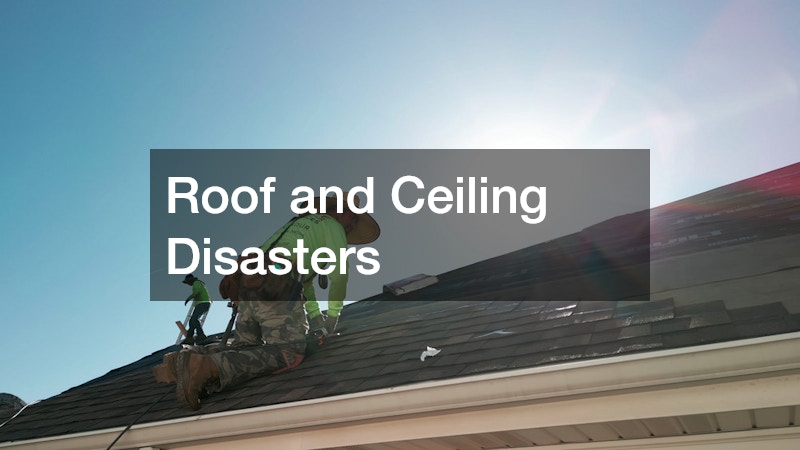
Severe weather, falling tree limbs, and aging materials can suddenly compromise the topmost protective barrier of your house. When water begins penetrating through the ceiling, the immediate priority is stopping further interior destruction while assembling a plan for permanent repairs.
Containing Active Indoor Water Ingress
When you notice a ceiling bulge, discoloration, or active dripping during a rainstorm, time is of the essence. You must take immediate physical steps inside your living space to prevent widespread damage to flooring, furniture, and electrical systems.
-
Place large, sturdy buckets directly under active drips to catch water.
-
Line the floor around the catchment area with thick towels or tarps to prevent liquid from spreading into nearby carpet or hardwood flooring.
-
If a drywall ceiling is sagging heavily and holding water, poke a small hole in the lowest point of the bulge using a screwdriver to allow controlled drainage into a bucket, preventing a massive, catastrophic ceiling collapse.
-
Move valuable electronics, upholstered furniture, and sentimental items completely out of the affected room.
-
Cover large furniture pieces that cannot be moved with heavy duty plastic sheeting.
Contacting Professional Roof Specialists
Once the immediate interior threat is controlled using buckets and tarps, you need to enlist licensed professionals to address the external cause. A severe roof leaking situation requires quick intervention to prevent structural wood rot and dangerous mold growth inside attic spaces.
When searching for emergency contractors, contact reputable local roofing companies that maintain twenty four hour emergency response units. Professional teams can quickly deploy crew members to install temporary emergency tarps over damaged shingles, effectively sealing your property until weather conditions permit permanent structural repairs. Furthermore, relying on established local roofing companies ensures that the technicians understand regional weather patterns, local building codes, and insurance claim procedures.
Securing Long Term Structural Protection
After temporary tarping is completed, schedule a full inspection of the entire overhead structure. Certified technicians providing professional roofing services can evaluate whether your property requires minor shingle replacements, flashing repairs, or a complete tear off and replacement.
During this assessment, ask the contractor to inspect underlying decking, insulation, and ventilation channels. High quality roofing services will address hidden moisture traps that could otherwise lead to long term decay. Always retain copies of detailed inspection reports, photo evidence, and itemized estimates, as these documents are essential when filing claims with your homeowner insurance provider.
Plumbing Crises and Water Management
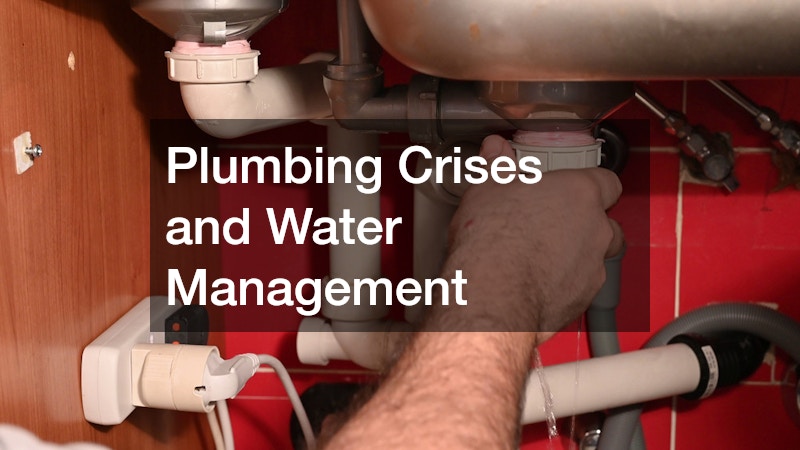
Plumbing failures represent some of the most frequent and destructive emergencies a property owner will ever face. Pressurized water lines can flood living spaces within minutes, while blocked drainage lines can introduce hazardous waste directly into your home.
Shutting Off Main Utility Lines
The single most critical step during any major plumbing failure is halting the flow of water at its source before attempting any repairs or calling for help.
-
Locate your main water shutoff valve, which is typically found near the water meter, in a basement, or in a utility closet.
-
Turn the main valve clockwise until it is completely closed to halt all pressurized water entering the building.
-
If a leak is isolated to a specific fixture like a toilet or sink, use the individual local shutoff valve located directly behind or beneath that fixture.
-
Open the lowest outdoor hose spigots to drain remaining water out of the interior plumbing lines.
-
Shut off power to electric water heaters at the main breaker panel to prevent heating elements from burning out while lines are empty.
Unclogging Severe Main Line Stoppages
When waste water begins backing up into sinks, tubs, or floor drains simultaneously, you are likely dealing with a blockage in the main sewer lateral. Attempting to use commercial chemical drain cleaners on a total line blockage is dangerous and rarely effective.
Instead, you should immediately contact an expert drain cleaning service equipped with professional grade machinery. Experienced technicians utilize heavy duty motorized snakes, hydro-jetting equipment, and specialized sewer cameras to clear stubborn obstructions like invasive tree roots, grease buildup, or collapsed pipe sections. Utilizing a professional drain cleaning service guarantees that your main lines are cleared thoroughly without causing structural damage to older, fragile pipes underneath your foundation.
Managing Flooring Damage from Water Exposure
Flooding off the plumbing network frequently ruins floor coverings, leaving subfloors vulnerable to swelling and permanent structural degradation. Concrete subfloors and decorative surfaces require special care following a major water event.
If your lower level features stained concrete flooring, inspect the surface carefully for sealer delamination, moisture clouding, or chemical etching caused by greywater exposure. While stained concrete is exceptionally durable and moisture resistant compared to carpet or hardwood, prolonged standing water can breach unsealed joints or ruin topical sealants. Professional restoration crews can clean, sanitize, and re-seal the surface, restoring both its aesthetic appeal and its protective moisture barrier.
Climate Control and HVAC Failures
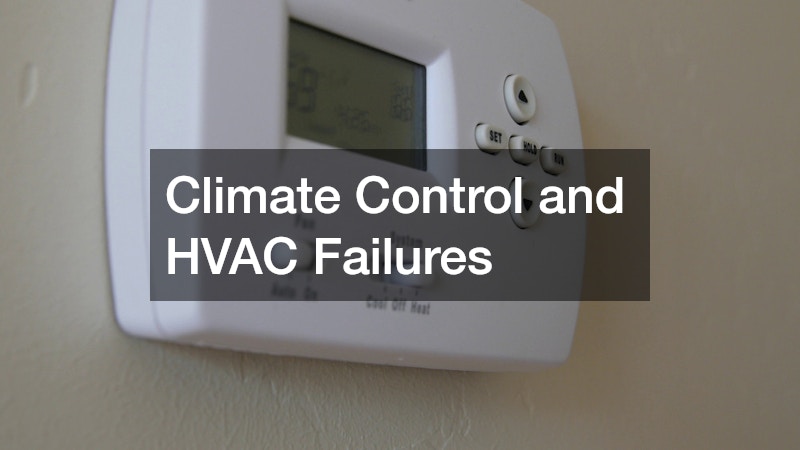
Extreme weather makes a functional heating and cooling system vital for health, safety, and structural preservation. A complete breakdown of your climate control equipment during severe winter freezes or summer heatwaves demands an immediate, systematic response.
Managing Sudden Winter System Shutdowns
Losing heat during freezing temperatures presents an immediate risk of frozen, burst plumbing pipes, alongside severe personal discomfort. Taking fast action helps maintain internal temperatures while you await a repair technician.
-
Check your thermostat batteries and verify that the setting is switched to heat with the target temperature set above current room readings.
-
Inspect your main electrical breaker box to ensure the circuit dedicated to your heating equipment has not tripped.
-
Check the emergency furnace switch, usually located on or near the side of the unit, to ensure it was not accidentally flipped off.
-
Keep all interior doors open to encourage air circulation, but close blinds and curtains to retain ambient heat.
-
Run a tiny, continuous trickle of water through faucets connected to exterior walls to keep pipes from freezing solid.
Securing Rapid Heating System Restorations
If basic troubleshooting does not restore warmth, you must call a certified technician immediately. Contacting a emergency Heating repair service is necessary when your system blows cold air, makes loud banging noises, or fails to ignite entirely.
Emergency technicians specializing in Heating repair service can quickly diagnose failed igniters, broken blower motors, cracked heat exchangers, or faulty control boards. When speaking with dispatchers, emphasize any vulnerable family members in the residence, such as infants or elderly individuals, as many companies prioritize these urgent calls. Never attempt to service gas lines or high voltage electrical components yourself, as improper handling presents severe fire and carbon monoxide hazards.
Optimizing System Performance and Prevention
Once immediate comfort is restored, focus on long term maintenance to prevent recurring breakdowns during peak season weather events.
A complete HVAC overhaul or routine tune up ensures that both heating and cooling components operate at maximum energy efficiency. Scheduling regular inspection of your entire HVAC system allows technicians to catch worn capacitors, frayed belts, or refrigerant leaks before they trigger a complete system collapse. Replacing air filters every one to three months also reduces mechanical strain on the blower motor, extending the overall operational lifespan of your equipment.
Structural Integrity, Openings, and Interior Elements

Emergencies are not limited to pipes and roofs. Sudden structural damage, broken windows from severe weather or vandalism, and collapsed heavy interior fixtures also require immediate specialized assistance.
Handling Broken Windows and Exterior Openings
A shattered window or damaged exterior door compromises home security, exposes your living space to weather elements, and creates severe thermal inefficiency.
-
Wear heavy leather work gloves and thick-soled shoes before touching any broken glass fragments.
-
Carefully pick up large glass shards and place them in a sturdy cardboard box rather than a plastic trash bag.
-
Vacuum the surrounding carpet or flooring thoroughly using a heavy duty shop vacuum to remove microscopic glass splinters.
-
Cover the open frame securely from the inside using thick plywood or heavy duty plastic sheeting secured with duct tape.
-
Keep pets and children completely away from the affected area until professional replacement occurs.
Replacing Damaged Structural Glass and Frame Units
Temporary board ups protect your interior short term, but permanent replacements should be scheduled as soon as possible to restore security and insulation.
When dealing with standard residential frames, hiring specialists in local window replacements ensures rapid turnaround times and accurate spatial measurements. Professionals focused on local window replacements can evaluate whether only the insulated glass unit needs swapping or if the entire frame assembly requires structural remediation. Fast local service helps seal your home envelope efficiently, reducing energy loss and restoring proper locking mechanisms.
For luxury homes or specialized architectural designs, standard replacement glass may not suffice. Properties featuring custom architectural glass, custom metal frames, or expansive patio sliders require experts who specialize in high end windows and doors. These premium products often feature advanced multi-point locking systems, triple-pane gas-filled glass, and custom wood or metal cladding. Entrusting repairs on these specialized features to certified technicians ensures that high end windows and doors retain their manufacturer warranties, energy ratings, and architectural beauty.
Addressing Interior Countertop and Fixture Disasters
Structural failures can also occur inside your kitchen or bathroom. Heavy falling objects, structural settling, or plumbing failures under sinks can cause heavy stone surfaces to crack, detach, or collapse entirely.
If a granite, marble, or quartz slab breaks or drops out of alignment, contact experienced kitchen countertop contractors immediately rather than trying to lift or epoxy the heavy stone yourself. Heavy stone slabs pose severe pinch and crush hazards if handled improperly. Professional kitchen countertop contractors possess specialized hoisting equipment, industrial epoxies, and color-matched seam resins required to re-anchor, level, and seamlessly repair damaged stone surfaces safely.
Electrical Emergencies and Power Disruptions
Electrical hazards present some of the most dangerous conditions in a home due to the immediate risk of electrocution and catastrophic structural fire. Rapid recognition and isolation of electrical anomalies can prevent major disasters.
Managing Warning Signs of Severe Electrical Threats
Electrical failures often give off subtle early indicators before triggering a major failure, giving attentive homeowners a brief window to intervene safely.
-
Buzzing, humming, or sizzling noises coming from wall outlets or light switches.
-
Discolored, scorched, or warm-to-the-touch outlet faceplates and switch covers.
-
A persistent burning plastic odor with no obvious external source.
-
Frequent circuit breaker trips immediately upon resetting the switch.
-
Sparks popping out of electrical outlets when appliances are plugged in or turned on.
Taking Immediate Safety Precautions
When facing an electrical hazard, protecting occupants from shock and preventing ignition must be your absolute primary focus.
If an outlet or appliance begins smoking, immediately head to your main service panel and flip the corresponding breaker switch to the off position. If you smell burning throughout the house or notice sparking at the main breaker box itself, shut off the main disconnect breaker entirely to de-energize the entire property. Never use water on an electrical fire; instead, keep a Class ABC chemical fire extinguisher accessible on every floor of your home. Contact a licensed emergency electrician immediately to diagnose wiring faults, loose connections, or overloaded panels before restoring power.
Preparing an Emergency Management Strategy
The best time to manage a household crisis is before it ever occurs. Developing a comprehensive home emergency plan minimizes stress, accelerates response times, and reduces total repair costs when disaster strikes.
Assembling a Trusted Contractor Contact List
Do not wait for a pipe to burst at midnight to start researching local service providers online. Build a pre-vetted list of emergency contacts today.
-
Research and select a licensed 24/7 emergency plumbing contractor.
-
Identify a local heating and air conditioning company offering weekend emergency dispatch.
-
Find a reliable roofing firm with documented emergency tarping capabilities.
-
Select an electrician certified for urgent panel repairs and power outages.
-
Keep the contact information for your homeowner insurance claims department readily accessible.
-
Store these numbers both in your mobile phone and on a printed card posted near your main electrical panel.
Maintaining an Essential Emergency Tool Kit
Every homeowner should maintain a dedicated, easily accessible toolbox containing essential items for initial disaster containment.
Your emergency kit should contain a high-lumen flashlight, extra batteries, a heavy-duty utility knife, multi-bit screwdrivers, adjustable wrenches, and slip-joint pliers. Additionally, stock heavy-duty items like a roll of thick plastic sheeting, waterproof duct tape, plumber PTFE tape, a small pry bar, leather work gloves, and safety goggles. Having these items organized in one central location ensures you can isolate valves, board up openings, or clear debris immediately without wasting precious time searching through garage shelves.
Navigating Homeowner Insurance Claims
Filing a successful insurance claim following an emergency requires detailed documentation, organized recordkeeping, and clear communication with your policy provider.
Immediately following a disaster, take high-resolution photographs and videos of all structural damage, flooded areas, and ruined personal property before beginning any cleanup efforts. Keep itemized receipts for all temporary mitigation supplies purchased, such as tarps, buckets, or plywood, as well as invoice copies from emergency contractors. Contact your insurance claims adjuster as soon as possible to report the incident, describe the emergency measures taken to mitigate further loss, and schedule an official on-site property evaluation.
Final Thoughts on Home Emergency Readiness
Home emergencies can be daunting, stressful, and unexpected, but they do not have to result in permanent damage or financial devastation. By understanding how to react quickly during the first moments of a crisis, taking sensible immediate mitigation measures, and knowing precisely which licensed professionals to call, you can navigate any household disaster with confidence. Take time today to locate your utility shutoff valves, assemble an emergency toolkit, and build your list of trusted local contractors. A little preparation goes a long way toward keeping your property safe, secure, and resilient for years to come.